Source Direct Acting Piston Solenoid Valve for Flow Control and Safety
Find and compare 30 Direct Acting Piston Solenoid Valve options for flow control, temperature regulation, and safety applications. These brass valves support gas and liquid media with thread connections and customizable logos.
Key considerations
Products List


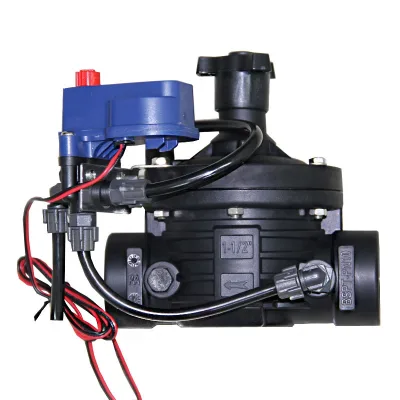


Factory Direct Sales High/Medium/Low Pressure Direct Acting Solenoid Valve
$10.00 - $100.00
MOQ: 10 Pieces


Comprehensive Sourcing Guide
Direct Acting Piston Solenoid Valve Sourcing Guide
Direct acting piston solenoid valves represent a critical class of fluid control components designed for rapid response and high reliability in both industrial and household applications. These valves utilize an electromagnetic coil to directly lift a piston, eliminating the need for pilot pressure in many configurations, which allows them to function effectively at zero differential pressure. This mechanical simplicity makes them ideal for applications requiring immediate flow control, safety shut-off, or precise temperature regulation across various media including air, water, and oil.
When sourcing these components, buyers must navigate a market characterized by diverse model numbers and structural variations, such as the ZX204, ZX202, and ZCT series observed in current listings. The procurement strategy should focus on matching specific operational requirements, such as the need for normal close configurations or specific port sizes ranging from 1/8 inch to 2 inches, with the physical attributes of the available inventory. Understanding the distinction between direct-acting piston structures and other valve types is essential for ensuring the selected component can handle the intended pressure and flow dynamics without failure.
Product Scope and Observed Listing Signals
The current market for direct acting piston solenoid valves displays a wide spectrum of product attributes, including materials ranging from brass to stainless steel 304, and voltage options spanning DC12V, DC24V, AC110V, and AC220V. Listings indicate that these valves are frequently customized for specific logos and packaging requirements, with options available in cartons, wooden boxes, or white boxes depending on the supplier's standard. Buyers should observe that while some models are designed for ordinary temperature and pressure conditions, others are engineered for specialized safety applications or flow control in water and gas systems.
Observed listing signals reveal significant variation in physical dimensions and port sizes, with standard configurations including 1/2 inch, 1 1/2 inch, and 2-inch ports, alongside smaller 1/8 inch and 1/4 inch options. The product scope extends to various structural designs, including pilot piston structures and direct-acting piston structures, each suited for different operational pressures and flow rates. Procurement teams must carefully cross-reference the specific model numbers, such as ZX121-2.5 or PU220, with the required port size and media compatibility to ensure the selected valve fits the mechanical constraints of the existing system.
Technical Specifications to Verify
Verifying the valve structure is the primary technical step, as the market offers both direct-acting piston structures and pilot piston structures, which function differently under varying pressure conditions. Buyers must confirm that the selected valve matches the application's pressure requirements, as direct-acting types are often preferred for zero-pressure start-up scenarios, while pilot types may require a minimum differential pressure to operate correctly. The distinction between these structures directly impacts the valve's ability to handle the working medium, whether it is air, water, or oil, and determines the overall system stability.
Port size and connection form are equally critical specifications that must align with the piping infrastructure to prevent leaks and ensure efficient flow. Listings show port sizes ranging from 1/8 inch up to 2 inches, with thread connections being the standard form for these components. Procurement teams should verify that the specific port size, such as 1/2 inch or 1 1/2 inch, matches the system's nominal diameter and that the thread type is compatible with existing fittings. Additionally, the voltage rating must be confirmed against the available power supply, ensuring the coil operates correctly at DC12V, DC24V, AC110V, or AC220V without overheating or failing to actuate.
Compliance and Safety Documentation
Safety applications for direct acting piston solenoid valves require rigorous verification of compliance standards, as these components often serve as critical shut-off mechanisms in gas and water systems. While some listings reference standards such as DIN, ISO, TUV, and CE, buyers must treat these as potential attributes rather than guaranteed certifications for every unit. It is essential to request specific test reports and certification documents from the supplier to confirm that the valve meets the safety requirements for the intended media, particularly when used in household or industrial gas applications where failure could pose significant risks.
Documentation regarding the valve's material composition and temperature ratings is also necessary to ensure long-term reliability and safety. The observed materials include brass and SS304, which offer different levels of corrosion resistance and durability depending on the working medium. Buyers should verify that the valve is rated for ordinary temperature and pressure conditions if that matches the application, or request specific data for extreme environments. Ensuring that the product origin, such as Zhejiang or Yuyao in China, is associated with a supplier capable of providing traceable quality records is a key step in mitigating safety liabilities.
Cost Drivers and Commercial Terms
The cost of direct acting piston solenoid valves is influenced by several factors, including the material grade, port size, and the complexity of the valve structure. Larger port sizes, such as 2 inches, and materials like stainless steel 304 typically command higher prices compared to smaller brass models with standard thread connections. Buyers should expect a wide price range in the market, with observed listings spanning from $0.69 to $100, reflecting the diversity in specifications, customization options, and production volumes. Understanding these cost drivers helps in budgeting for projects that require specific performance characteristics without overpaying for unnecessary features.
Commercial terms, including Minimum Order Quantity (MOQ) and lead times, vary significantly across suppliers and must be negotiated based on the project scale. Observed MOQs range from a single unit to 5,000 units, allowing flexibility for both prototype testing and large-scale industrial deployments. Packaging requirements, such as international standard packing, cartons, or wooden boxes, can also impact the final cost and logistics planning. Buyers should clarify the loading port, often Ningbo or Shanghai, and the delivery terms to accurately calculate the total landed cost and ensure timely arrival for production schedules.
Supplier Qualification and Quality Control
Supplier qualification for direct acting piston solenoid valves requires a thorough assessment of their manufacturing capabilities and quality control processes. Given the observed origins in Zhejiang and Yuyao, China, buyers should verify that the supplier has established production lines capable of maintaining consistent tolerances for piston structures and thread connections. The availability of customization services, including logo printing and specific packing configurations, indicates a supplier's flexibility, but this should not come at the expense of core product quality. A robust quality control system is essential to ensure that every valve meets the specified voltage, pressure, and media compatibility requirements.
Quality control checks should extend to the verification of product standards and the consistency of the valve's performance across different batches. Buyers should request evidence of the supplier's adherence to standards like DIN, ISO, TUV, or CE, and verify that the product origin is accurately documented. The 12-month guarantee observed in some listings suggests a baseline expectation for product reliability, but buyers must confirm the specific terms of this guarantee and the process for handling defects. Establishing a clear communication channel for technical support and after-sales service is crucial for maintaining the integrity of the fluid control system over the long term.
Long-Term Procurement Checks
Long-term procurement of direct acting piston solenoid valves requires a strategy focused on supply chain stability and continuous quality monitoring. Buyers should establish a relationship with suppliers who can consistently deliver the required specifications, such as the ZX202 or ZCT series models, without compromising on material quality or structural integrity. Regular audits of the supplier's production processes and quality control records help ensure that the valves continue to meet the necessary safety and performance standards over time. This proactive approach minimizes the risk of supply disruptions and ensures that the fluid control systems remain operational and safe.
Performance tracking and feedback loops are essential components of a long-term procurement strategy, allowing buyers to identify any recurring issues or performance deviations early. By monitoring the actual performance of the valves in the field, buyers can validate the supplier's claims regarding temperature ratings, pressure handling, and media compatibility. If discrepancies arise, such as unexpected failures in gas or water applications, the buyer should engage the supplier immediately to investigate the root cause and implement corrective actions. Maintaining a detailed record of product performance and supplier interactions ensures that the procurement process remains efficient and effective for future orders.
FAQs
What valve structure is used in these solenoid valves?
The valves utilize a direct-acting piston structure for reliable operation. This design ensures fast response times and is suitable for flow control and safety applications in various industrial settings.
Which port sizes are available for the Direct Acting Piston Solenoid Valve?
Available port sizes range from 1/8 inch up to 2 inches depending on the specific model. Options include 1/2 inch, 1 1/2 inch, and 1/8 inch configurations to match different piping requirements.
Can the product logo be customized for bulk orders?
Yes, logo customization is available for buyers requiring branded components. This service allows businesses to apply their specific markings to the valve body for identification or marketing purposes.
What materials are used to construct these solenoid valves?
Brass is the primary material used for the valve body construction. This material offers durability and corrosion resistance, making it suitable for handling air, water, and oil working media.
How is the product packed for international shipping?
Products are packed in cartons or wooden boxes to ensure safe transit. Some specific models may use white boxes or international standard packing to protect the valves during long-distance transport.
What voltage options are supported by the electric actuator?
The electric actuator supports multiple voltage options including DC12V, DC24V, AC110V, and AC220V. This flexibility allows the valves to be integrated into various electrical systems globally.
What is the standard guarantee period for these valves?
A 12-month guarantee is provided for the solenoid valves. This warranty covers manufacturing defects and ensures reliability for buyers in household, industrial, and water industrial usage applications.